


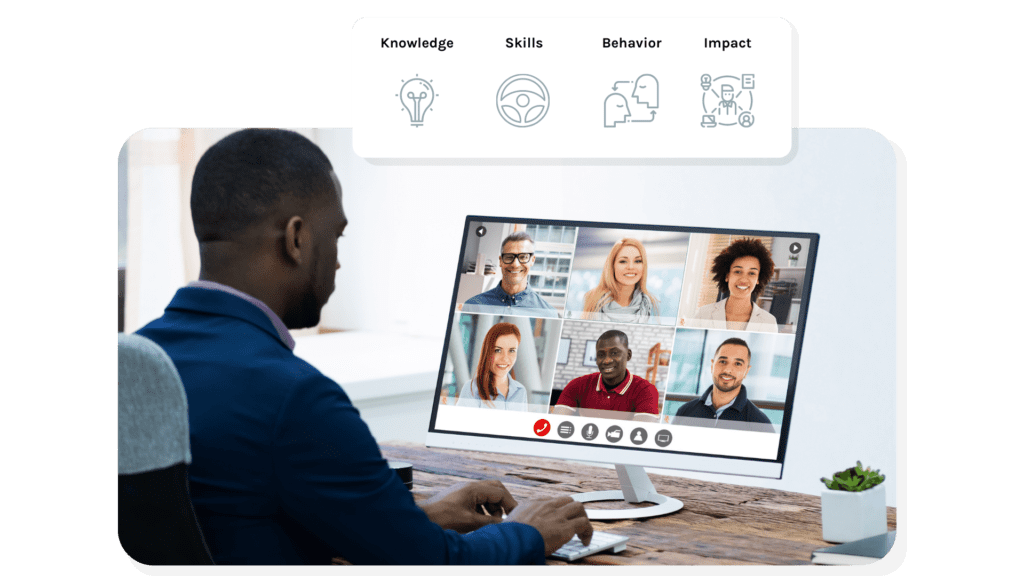
In today’s fast evolving workplace, remote work has become more than just a trend. Teams now span cities, countries, and even continents. While remote work offers flexibility and access to global talent, it also presents unique leadership challenges. Managers must guide, motivate, and align teams without the benefit of physical proximity. This is where virtual leadership training becomes essential for maintaining performance, engagement, and cohesion across distributed teams.
Investing in a structured emerging leaders program ensures that leaders at every level develop the skills required to thrive in remote environments. These programs provide practical strategies, communication tools, and mindset shifts that empower managers to lead effectively from anywhere.
The New Landscape of Remote Leadership
Remote work has redefined what it means to lead. Traditional oversight methods no longer apply when teams operate virtually. Managers must focus on outcomes, trust, and engagement rather than physical presence.
Virtual leadership training addresses this transformation by equipping leaders with the ability to inspire, coordinate, and motivate teams through digital channels. Managers learn to adapt their leadership style to a remote context, ensuring productivity and morale remain high.
An emerging leaders program builds a pipeline of capable leaders who can navigate the complexities of virtual collaboration. It prepares professionals not only to manage tasks but to cultivate engagement, innovation, and accountability from a distance.
Enhancing Communication Across Digital Platforms
Clear communication is a cornerstone of remote team success. Miscommunication can easily occur when managers and employees are separated by time zones and technology.
Virtual leadership training teaches managers how to communicate expectations, provide feedback, and maintain transparency through virtual channels. Leaders learn to leverage video calls, messaging platforms, and collaborative tools effectively, reducing misunderstandings and increasing clarity.
An emerging leaders program reinforces these communication skills, helping new managers develop confidence in virtual interactions. They learn how to listen actively, ask the right questions, and ensure every team member feels included and informed.
Building Trust and Psychological Safety Remotely
Trust is even more critical in virtual teams. Without it, employees may feel disconnected, unmotivated, or uncertain about their contributions.
Virtual leadership training emphasizes techniques for building trust remotely. Managers learn to foster psychological safety by recognizing achievements, encouraging open dialogue, and supporting employees in navigating challenges.
Through an emerging leaders program, leaders practice creating environments where team members feel comfortable sharing ideas and concerns without fear of judgment. This sense of security enhances collaboration and drives higher performance levels.
Promoting Engagement and Accountability
Engagement in remote teams requires deliberate effort. Employees who feel isolated may struggle with motivation or lose sight of organizational objectives.
Virtual leadership training provides strategies for keeping teams engaged through goal setting, regular check ins, and recognition. Leaders learn how to create meaningful connections with each team member, even when interactions are virtual.
An emerging leaders program supports this by guiding new managers on how to establish clear expectations, track progress, and hold team members accountable without micromanaging. This balance between autonomy and accountability is essential for remote productivity.
Strengthening Team Collaboration
Collaboration in virtual teams depends on effective leadership. Managers must coordinate work across locations, foster cooperation, and resolve conflicts efficiently.
Virtual leadership training equips managers with tools for facilitating collaboration. Leaders learn how to structure virtual meetings, use digital project management platforms, and create opportunities for cross functional teamwork.
Emerging leaders programs allow new managers to practice these skills in controlled environments. Simulations, role playing, and peer feedback provide hands on experience in managing distributed teams effectively.
Encouraging Professional Growth Remotely
Employees remain motivated when they see opportunities for growth. Remote work can make career development less visible, which may affect engagement.
Virtual leadership training teaches managers how to support employee development in remote settings. Leaders learn to set personalized growth plans, provide meaningful feedback, and identify opportunities for skill building and advancement.
Emerging leaders programs reinforce these capabilities for new managers. They learn how to mentor and coach team members virtually, ensuring development does not stall despite geographic distance.
Fostering Emotional Intelligence in Virtual Teams
Emotional intelligence is crucial for leading teams effectively, especially when face to face interactions are limited. Managers need to read cues from tone, written communication, and non verbal behavior to understand team dynamics.
Virtual leadership training helps leaders develop empathy, self awareness, and adaptability. Managers learn how to manage their own stress while supporting their teams through uncertainty.
An emerging leaders program strengthens these skills for new managers. By understanding emotional signals and responding appropriately, leaders can maintain morale, reduce conflict, and create a positive virtual work environment.
Driving Innovation and Agility Remotely
Remote teams often operate under fast changing conditions. Leaders must encourage experimentation, rapid problem solving, and creative thinking to keep pace.
Virtual leadership training teaches managers how to foster innovation without requiring constant supervision. Leaders learn techniques for brainstorming, idea sharing, and implementing initiatives virtually.
Emerging leaders programs provide a structured path for new managers to develop strategic thinking and adaptability. By nurturing these capabilities early, organizations ensure that leaders are prepared to guide teams through challenges and capitalize on opportunities.
Maintaining Organizational Culture Virtually
Culture is shaped by leadership. In a remote environment, maintaining a cohesive culture requires intentional effort.
Virtual leadership training guides managers on how to communicate values, celebrate successes, and uphold organizational standards online. Leaders learn to model behavior that aligns with company principles, creating a consistent culture even across dispersed teams.
Through an emerging leaders program, new managers understand the importance of reinforcing culture through daily interactions, digital rituals, and inclusive practices. This continuity fosters loyalty and alignment with organizational goals.
Measuring the Impact of Virtual Leadership Training
To maximize the benefits of virtual leadership initiatives, organizations should track measurable outcomes. Metrics such as team productivity, engagement surveys, retention rates, and project completion can provide insight into program effectiveness.
Virtual leadership training often incorporates evaluation tools to assess manager growth and team performance improvements. Emerging leaders programs can include pre and post assessments to monitor development, ensuring that the skills learned translate into tangible results.
Continuous measurement allows organizations to refine training content, reinforce best practices, and maintain a high level of leadership effectiveness across remote teams.
Conclusion: Leadership Without Boundaries
Remote work has challenged traditional leadership models but has also opened opportunities for innovative approaches to team management. Virtual leadership training equips managers with the tools, knowledge, and confidence to lead effectively regardless of location.
By investing in an emerging leaders program, organizations build a future ready workforce. Leaders gain the skills to communicate clearly, foster trust, maintain engagement, and drive performance in virtual environments.
Organizations that prioritize remote leadership development ensure that teams remain cohesive, motivated, and high performing. In a world where distance no longer limits talent, effective leadership becomes the critical differentiator between success and stagnation.
Virtual leadership training is not simply an adaptation to remote work. It is a strategic investment in people, performance, and organizational resilience that delivers long lasting impact.